ABOUT
白峯寺について
SHIROMINEJI, TEMPLE 81 OF THE SHIKOKU PILGRIMAGE
BEKKAKU HONZAN (SPECIAL HEAD TEMPLE) / RYOSHOZAN / DORININ /四国第八十一番霊場
別格本山 綾松山 洞林院 白峯寺
白峯寺は香川県坂出市から高松市またがる五色台の白峯山中腹の標高280m付近にある真言宗御室派の寺院で、弘法・智証の両大師により約1200年前に開創された四国第81番霊場の古刹です。その境内は瀬戸内海国立公園に定められる豊かな自然に囲まれ、特に春は桜、夏は紫陽花、秋は紅葉が有名であり、悠久の歴史を受けつぐお堂が立ち並ぶ信仰の聖地です。
また保元の乱(1156年)により当地に御遷幸遊ばされた第75代崇徳天皇は、約9年間の歳月を過ごされた後に崩御、御遺詔(遺言)により当山で荼毘に付され御陵が営まれており、その菩提寺として御廟所である頓証寺殿が建立され、今日まで代々の聖主、公卿、武将の信篤く共にご供養申し上げています。また境内の重要文化財に指定されている各お堂には開運厄除・身体健康などの十二支の守り本尊さまをお祀りしており、「えと守り本尊の寺」として広く信仰されています。
古来より、ご本尊千手観音菩薩さまは人々を種々の災難から守護してくださる身代わり観音さまとして、また当山の守護神である霊験あらたかな日本八天狗の一狗、白峯大権現(相模坊)さまは家内安全、商売繁盛、勝運吉祥の神様として、崇徳天皇さまは芸能成就、学業成就の神様として信仰されており、当山には日々ご祈願、ご供養の為、またお四国巡拝のお大師さま信仰の方々が県内外、国内外より数多くの方々が毎年参詣されます。
Shiromineji, Temple 81 of the Shikoku Pilgrimage, belongs to the Omuro school of the Shingon Sect of Buddhism. Located at an altitude of 280m on the slopes of Mt. Shiromine in the Goshikidai area, which straddles the cities of Sakaide and Takamatsu in Kagawa Prefecture, this ancient temple was founded approximately 1,200 years ago by two revered monks, Kobo Daishi and Chisho Daishi. Surrounded by the beauty of the Setonaikai National Park, the temple is famous for cherry blossoms in spring, hydrangeas in summer and brilliant foliage in autumn. With its historic buildings, embodying centuries of spiritual tradition, it is a sacred place of worship.
Emperor Sutoku, the 75th Emperor of Japan, was exiled to this area following the Hogen Rebellion in 1156. He spent about nine years here before he passed away. In accordance with his final wish, he was cremated and his ashes placed in a tomb in the temple grounds. Tonshojiden was built as his family temple and throughout the centuries, successive lords, nobles and military commanders have come to offer prayers to him.
Shiromineji is also known as the Temple of the Guardian Deities of the Zodiac. The various halls within the temple grounds, which are designated as Important Cultural Properties, enshrine the guardian deities for each of the 12 signs of the zodiac, bringing good luck, good health, and protection from misfortune.
Since ancient times, the principal deity of Shiromineji Temple, the thousand-armed Senju Kannon, has been revered as the deity of protection from disasters. Additionally, Shiromine Daigongen, one of Japan’s Eight Great Tengu (mystical beings with spiritual powers) and the guardian deity of the temple, is venerated as a god of household safety, prosperity in business and good fortune, and Emperor Sutoku is worshipped as a god of artistic and academic achievement. Every year, people from all over Japan and abroad, as well as devotees of Kobo Daishi making the Shikoku Pilgrimage, come to pray and make offerings.
ENGLISHCLOSE
- 宗 派
- 真言宗派御室派
- 本 尊
- 千手観世音菩薩
- 真 言
- おん ばざら たらま きりく
- 山 号
- 綾松山りょうしょうざん
- 院 号
- 洞林院どうりんいん
- 札 所
- 四国第八十一番霊場
- 詠 歌
- 霜さむく
露白妙(つゆしろたえ)の寺のうち
御名(みな)をとなうる
法(のり)のこえごえ
-

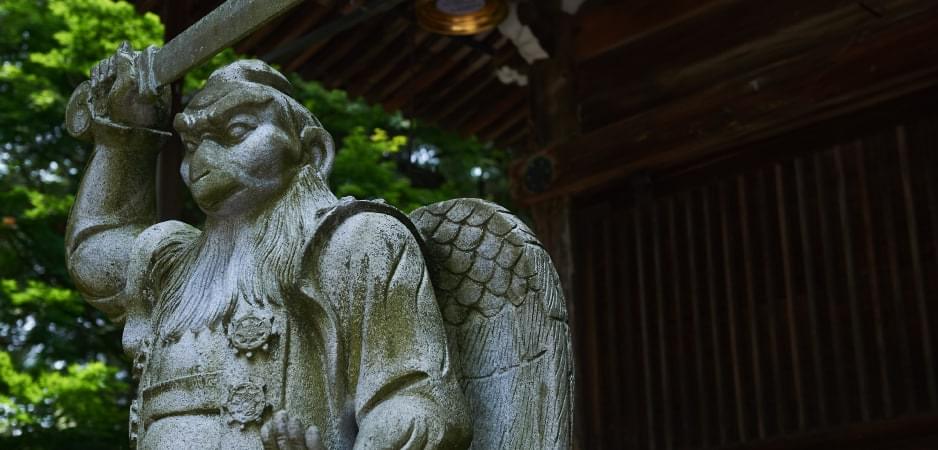
SHIROMINE DAIGONGEN, PROTECTOR FROM MISFORTUNE厄除け祈願 白峯大権現
当山の鎮守(守護神)である霊験あらたかな白峯大権現(相模坊)さまは日本全国に数多存在する四十八天狗のうち、特に神通力の強い天狗である日本八天狗の一狗としてお祀りされており、古来より家内安全、商売繁盛、特に勝運吉祥の神様として深く信仰を集めており、スポーツをされる方々が必勝祈願、上達祈願のため数多くお参りに来られます。
また小僧と豆腐の話など心優しい天狗としての逸話が現在も語り継がれています。Shiromine Daigongen, who is enshrined as the guardian deity of Shiromineji Temple, is one of Japan’s Eight Great Tengu (mystical beings with spiritual powers). Of the 48 tengu found throughout Japan, he is known for his exceptional supernatural abilities. Revered since ancient times as a god of household safety, prosperity in business and, especially, good fortune, many athletes visit the temple to pray for success and improvement of their abilities.
Stories of the kind-hearted tengu, such as the one involving the young boy and tofu, continue to be passed down to this day.ENGLISHCLOSE -


EMPEROR SUTOKU, GOD OF ACADEMIC ACHIEVEMENT学芸成就 崇徳天皇
崇徳天皇は日本の第75代の天皇であり、保元の乱にて第77代の後白河天皇と争い、敗北したため讃岐(香川)へ配流となり約9年間過ごし崩御され、稚児ヶ嶽山頂付近(現:頓證寺殿横)で荼毘にふされ御陵が営まれました。
『保元物語』や『雨月物語』などには、おどろおどろしい描写で描かれていますが、『今鏡』では、寂しい生活の中で悲しさの余り、病気も年々重くなっていったとは記されているものの、自らを配流した者への怒りや恨みといった話は無く、配流先で崇徳院が実際に詠んだ歌を見ても、悲嘆の感情はうかがえても怨念を抱いていた様子は見られません。
後世になると四国の守り神であるという伝説も現われるようになり、承久の乱で土佐国に流された土御門上皇(後白河院の曾孫)が途中で崇徳院の御陵の近くを通った際にその霊を慰めるために琵琶を弾いたところ、夢に崇徳院が現われて上皇と都に残してきた家族の守護を約束したとされます。その後、上皇の遺児であった後嵯峨天皇が鎌倉幕府の推挙により皇位に就いたとされています。また、室町幕府の管領であった細川頼之が四国の守護となった際には崇徳院の菩提を弔ってから四国平定に乗り出して成功して以後、細川氏代々の守護神として崇敬されたと云われているように、この地域においては大切にお祀りされてきた存在です。
また崇徳天皇は在位中から頻繁に歌会を催していましたが、上皇になってからは和歌の世界に没頭し、『久安百首』を作成し、『詞花和歌集』を撰集するなど文学や芸能面で非常に優れており白峯寺においては学業成就、芸能成就の神様としてお祀りしています。Emperor Sutoku, the 75th Emperor of Japan, fought against Emperor Go-Shirakawa, the 77th Emperor, during the Hogen Rebellion. Following his defeat, he was exiled to Sanuki Province (present day Kagawa Prefecture) where he lived for nine years until his death. His body was cremated near the summit of Mt. Chigogadake where his tomb was built.
While historical texts like Hogen Monogatari and Ugetsu Monogatari depict Emperor Sutoku as a fearsome figure, Imakagami describes how his life was so sad and lonely that his health worsened with each passing year, but there is no mention of him feeling anger or resentment towards the people who exiled him. Although the poems he composed while in exile show his misery, there is no sign of him bearing a grudge.
In later times, a legend arose around Emperor Sutoku as the guardian deity of Shikoku. According to the legend, when Emperor Tsuchimikado, the great-grandson of Emperor Go-Shirakawa, was exiled to Tosa Province after the Jokyu Rebellion, he passed close by Emperor Sutoku’s tomb and played the biwa (traditional Japanese lute) to console Sutoku’s spirit. That night, Emperor Sutoku is said to have appeared in Tsuchimikado’s dream, promising to protect him and his family, whom he had left behind in the capital. Tsuchimikado’s son, Emperor Go-Saga, later ascended the throne with the support of the Kamakura shogunate. In addition, Hosokawa Yoriyuki, the shogun’s deputy in the Muromachi shogunate, also honoured Emperor Sutoku’s spirit before embarking on the successful pacification of Shikoku. Since then, Sutoku has been revered as the guardian deity of successive generations of the Hosokawa clan and is held in great respect in this region.
During his reign, Emperor Sutoku frequently hosted poetry gatherings, and after his abdication, he immersed himself in the world of waka (classical Japanese poetry), creating the Kyuan Hyakushu (hundred poem sequence) and compiling the Shika Wakashu (imperial anthology of Japanese waka), demonstrating his excellence in both literature and the arts. He is enshrined at Shiromineji Temple as a god of academic and artistic achievement.ENGLISHCLOSE -

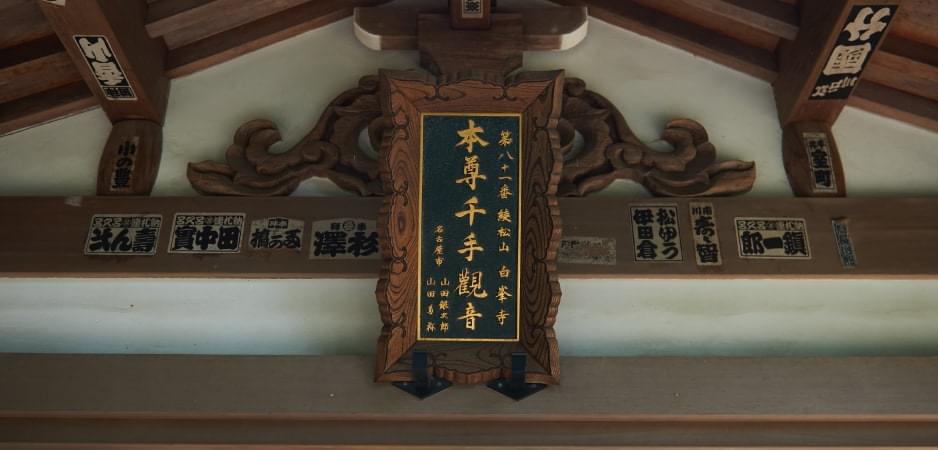
SENJU KANNON BOSATSU, PRINCIPAL DEITY身代わり観音 本尊千手観世音菩薩
本尊の千手観音菩薩は智証大師(円珍)と、当山鎮守白峯大権現(相模坊)の合作とも伝えられ、古来より人々を種々の災難から守護してくださる身代わり観音さまとして参詣者に厚く信仰されています。また千手観音菩薩は子年の守り本尊とされ、十二支の内一番最初のえとに当たるため、特に子年の初詣には多くの方が県内外からお参りに来られます。
The temple’s principal deity, the thousand-armed Senju Kannon, is believed to have been created by Chisho Daishi (Enchin) in collaboration with the temple’s guardian deity, Shiromine Daigongen (Sagamibo), and has been worshipped since ancient times as the deity of protection from various misfortunes.
Senju Kannon is also recognised as the guardian deity of the Year of the Rat. As the rat is the first of the twelve zodiac animals, many people come from all over Japan to visit the temple, especially around New Year in the Year of the Rat.ENGLISHCLOSE -

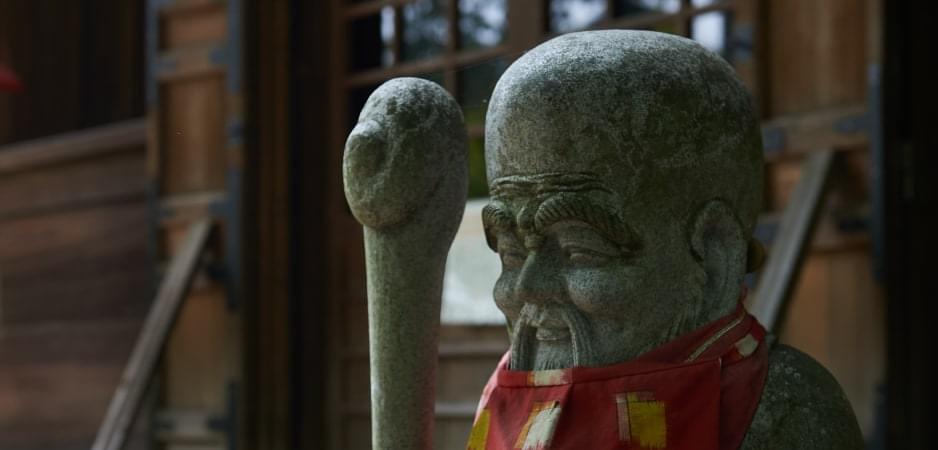
TWELVE ZODIAC GUARDIAN DEITIES AND SEVEN LUCKY GODS十二支守り本尊と七福神
当山では、ご参詣の皆様の開運厄除・身体健固等を祈願し、境内に十二支守り本尊と七福神をお祀りしています。
The Twelve Guardian Deities of the Zodiac and the Seven Lucky Gods are enshrined in the temple grounds, and visitors come to pray for good fortune, good health and protection from misfortune.
ENGLISHCLOSE